Understanding Kids Book Cover Design: A Creative and Practical Guide
When it comes to children's books, the cover is often the first thing that catches a reader's eye. A well-designed kids book cover can make all the difference in whether a child picks up a book or walks away. Whether you're an author, illustrator, or designer, understanding the importance of a compelling cover design is essential. In this article, we'll explore the purpose, significance, and practical relevance of kids book covers, including the types of files you might receive when downloading such designs.
What Is a Kids Book Cover?
A kids book cover is more than just a decorative element; it serves as the visual representation of a story. It plays a crucial role in attracting young readers and conveying the tone and theme of the book. The design must be engaging, colorful, and age-appropriate to capture the attention of children while also appealing to parents and educators who may be purchasing the book.
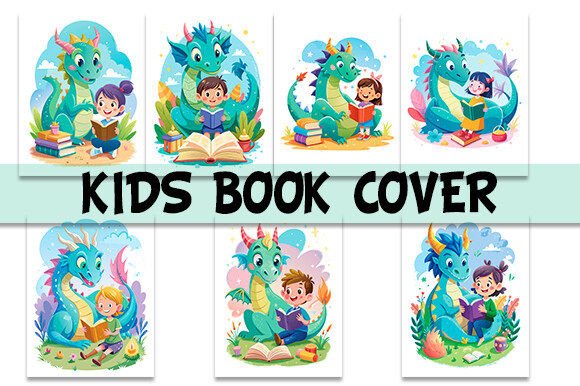
For example, a cover featuring a friendly dragon might suggest adventure and imagination, making it ideal for a fantasy-themed story. On the other hand, a cover with simple shapes and bright colors could be more suitable for younger readers learning basic concepts.
The Purpose of a Kids Book Cover
The primary purpose of a kids book cover is to communicate the essence of the story. It should give potential readers a glimpse into what they can expect from the book. This is especially important in a competitive market where countless books are available for children.
Additionally, a well-designed cover can help build brand recognition. If a child enjoys a particular book, they may look for similar titles with the same style or character, making consistency in design a valuable asset for authors and publishers.
Why Kids Book Covers Matter
Children’s books are not just for entertainment; they play a vital role in education and development. A visually appealing cover can encourage reading habits and foster a love for stories. It can also influence how a child perceives the content of the book.
Consider the impact of a cover that features a dragon. The image of a dragon can spark curiosity and imagination, leading children to explore the story further. This connection between visual design and engagement is why many authors and illustrators invest significant time and effort into creating effective covers.
The Significance of High-Quality Design Files
When you download a kids book cover design, you may receive various file formats, including AI, PDF, SVG, and high-resolution JPEG. Each of these files serves a specific purpose and offers different benefits:
- AI Files (Adobe Illustrator): These are vector-based files that allow for easy editing and scalability. They are ideal for designers who want to modify the cover or use it in different contexts.
- PDF Files: Portable Document Format files are great for sharing and printing. They maintain the quality of the design across different devices and platforms.
- SVG Files (Scalable Vector Graphics): These files are perfect for web use and can be resized without losing quality. They are commonly used for digital marketing and online promotions.
- High-Resolution JPEG: These files are suitable for print and web use, offering clear and detailed images that can be easily shared or displayed.
Having access to these files ensures that the cover can be adapted for different mediums and purposes, maximizing its reach and effectiveness.
How Kids Book Covers Fit Into Modern Life
In today’s digital age, kids book covers are not limited to physical books. They also play a role in online platforms, e-books, and digital libraries. As more children engage with technology, the need for visually appealing and adaptable covers has grown.
For instance, an e-book cover must be optimized for screens of varying sizes and resolutions. This means that the design must be clear and recognizable even when viewed on a small device. Similarly, social media platforms often feature book covers as part of promotional content, making them an essential tool for marketing and outreach.
The Role of Creativity and Technology
Modern kids book covers often blend creativity with technology. Designers use software tools like Adobe Illustrator, Photoshop, and Canva to create stunning visuals that capture the imagination of young readers. These tools offer a wide range of features, from customizable templates to advanced graphic design options.
Moreover, the integration of technology has made it easier for independent authors and illustrators to produce high-quality covers without the need for expensive professional services. With the right tools and knowledge, anyone can create a compelling kids book cover that stands out in the market.
Common Misconceptions About Kids Book Covers
Despite their importance, there are several misconceptions about kids book covers. One common belief is that the cover is only for aesthetics and has little impact on the overall success of a book. However, research shows that a strong cover can significantly influence a child’s decision to read a book.
Another misconception is that all kids book covers should be bright and flashy. While color and vibrancy are important, the design should also reflect the tone and message of the story. A cover that is too overwhelming may distract from the content rather than enhance it.
Building a Broader Understanding
To fully appreciate the value of a kids book cover, it’s important to consider the broader context in which it exists. This includes the target audience, the intended message, and the medium through which the book will be distributed. By taking these factors into account, designers can create covers that resonate with both children and adults.
Additionally, understanding the technical aspects of design files can help authors and illustrators make informed decisions about how to use and share their work. Whether you’re looking to print a physical copy or promote the book online, having the right files ensures that your cover can be used effectively in any setting.
Conclusion
In conclusion, kids book covers are an essential component of children’s literature. They serve as the first point of contact between the reader and the story, influencing engagement, perception, and overall success. By understanding the purpose, significance, and practical relevance of these covers, authors, illustrators, and designers can create designs that captivate young readers and stand out in a competitive market.
Whether you’re designing a cover for a dragon-themed story or a more educational book, the principles of good design remain the same. With the right tools, knowledge, and creativity, you can create a kids book cover that not only looks great but also tells a compelling story.